Much of the infrastructure that keeps a community functioning is easy to overlook because it is designed to work quietly in the background.
Beneath streets, sidewalks and buildings is a network of water mains, sanitary sewers, stormwater systems, utility connections and other infrastructure that support daily life. These systems make development possible, protect public health, and help communities grow.
“Infrastructure is one of those things people rarely think about until it stops working,” said Mike Kozak, PE, President and Partner at Giffels Webster. “But every neighborhood, business district and development depends on systems beneath the surface working together the way they were designed to.”
In established cities such as Detroit, that underground network can also tell a story about how communities have evolved over generations. New developments often must connect to infrastructure installed decades, or even more than a century earlier, creating unique engineering challenges.
Before construction begins, engineers must understand what already exists below the surface. Existing utilities, aging infrastructure, available capacity, site constraints and connection points can all influence how a project moves forward and how much of a cost impact those influences will have on a given project.
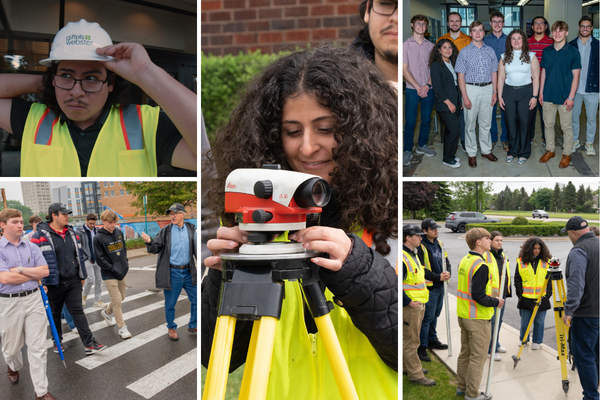
Coordination is especially important in dense urban environments, where multiple utility systems may occupy limited space. Engineers work with municipalities, developers, contractors, and utility providers to identify conflicts, evaluate existing conditions, and develop solutions that allow new improvements to coexist with existing infrastructure.
“You can have an exciting vision for what happens above ground, but you still have to understand what is happening below it,” Kozak said. “Good planning early in the process helps uncover challenges, coordinate the right people and keep projects moving forward.”
Civil engineering may not always be visible once a project is complete, but its impact is everywhere. By understanding what lies beneath the surface, communities can make better decisions today while preparing their infrastructure for what comes next.